


Word Solitaire Hotel
4.859.00 Reviews
App Specs
- Version
- 1.8.0
- Updated On
- License
- Free
- Downloads
- 10,000+
- Developer
- Lotum two GmbH
- Categories
- Word
- Platform
- Android
Screenshots
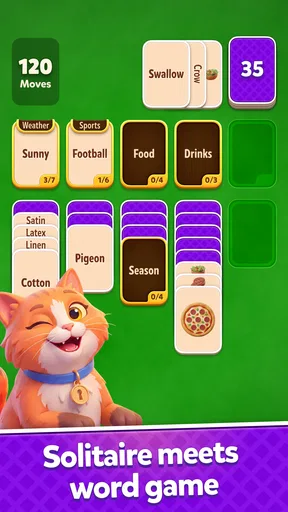
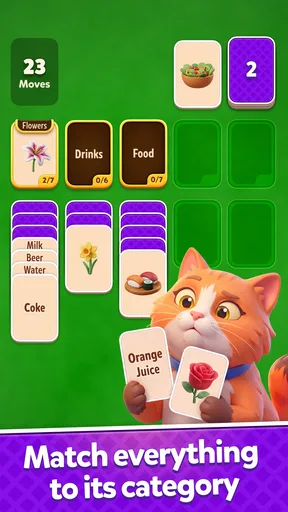
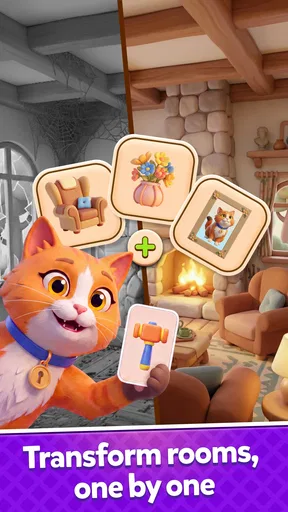
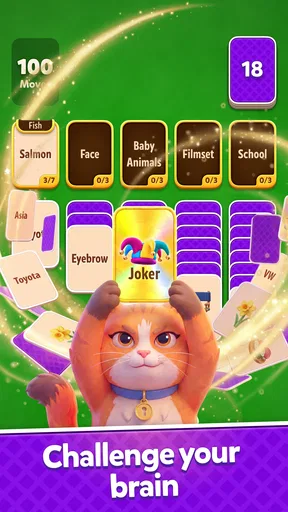
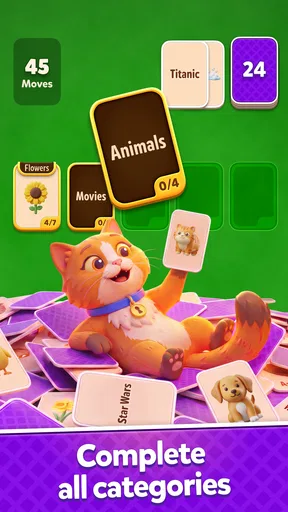
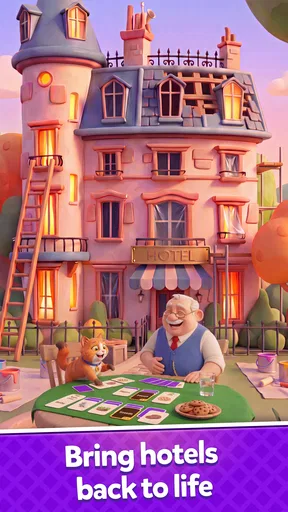
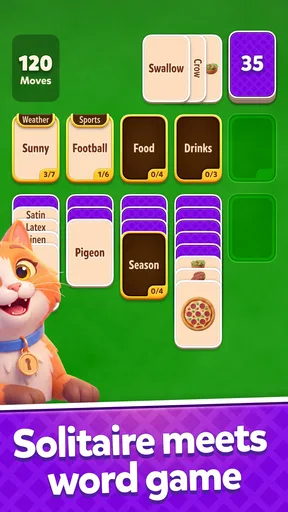
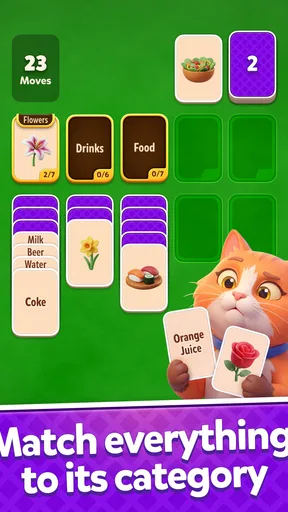
 Analysis by AppCompare
Word Solitaire Hotel is the kind of word game I can open without needing a long explanation. It combines familiar solitaire-style card play with word building, then gives that progress a hotel makeover theme. That mix makes the first few minutes feel approachable: I am not learning a complicated strategy game, but I still have more to think about than in a standard card puzzle.
What I like most is the way the two ideas support each other. The cards create the immediate decision, while the words give the round a broader purpose. Each move feels connected to a small renovation journey rather than being an isolated attempt to clear a layout. If you enjoy word games but want something more structured than simply guessing letters, this is an appealing starting point.
It is a free game from Lotum two GmbH, listed for Everyone, and it belongs firmly in the casual word puzzle space. The current version is 1.6.0, and it runs on devices using Android 7.1 or later. Its average rating is 4.7 from around 490 ratings, with roughly 54 written reviews, while the install count has passed 10K. Those figures suggest a small but positive audience rather than a giant, established community.
Getting comfortable with the hotel-and-word format
The first thing to understand is that this is not simply classic solitaire with a word theme pasted over it. The card arrangement remains important, but the words change how I evaluate a move. Instead of asking only which card can be placed next, I also pay attention to opportunities that help form useful combinations. That extra layer is what gives the game its identity.
The hotel setting makes the progress easier to follow for a new player. A successful round has a visible purpose, and the makeover idea gives me a reason to continue beyond solving one layout. I found that helpful during short sessions because I could stop after a small accomplishment without feeling that I had abandoned a complicated campaign.
At the same time, the theme will not satisfy everyone. If you want a pure, competitive word challenge with no decorative progression, the hotel presentation may feel like an unnecessary middle step. Likewise, traditional solitaire players who prefer predictable rules and no vocabulary element may find the word connections distracting. The game works best for someone who wants both familiar card decisions and a light sense of collection or improvement.
The store summary describes a new kind of solitaire, and that is a fair way to approach it, but I would not expect a complete replacement for every solitaire app. Its appeal comes from the combination. Removing the word element would make it less distinctive, while removing the solitaire structure would change the pacing that makes it easy to pick up.
Worth Reading Before You Choose

Flipboard Shows What News Apps Must Do Beyond the Feed

Switching to Android Auto Means Rethinking Your Driving Routine

Google Calendar Makes a Crowded Week Easier to Manage

Ludo King Makes the Most of the Minutes Between Plans

Baby Panda World Brings Quick Play to Modern Phones, but Its Game Library Feels Busy

ESPN’s Live Game View Makes Following Close Games Easier
What the first session is really asking you to do
During the opening session, I recommend resisting the urge to move every available card immediately. A legal move is not automatically the best move. I first look for the action that reveals another card or opens more possibilities, then I consider whether a word connection can be preserved for later. This habit makes the board feel less random and gives the puzzle a clearer rhythm.
That is one of the first non-obvious lessons in this game: the strongest move often creates options rather than producing the quickest visible result. A short word may be tempting because it completes something at once, but a slightly less obvious sequence can leave more useful cards available. New players who focus only on immediate completion may finish a small objective while making the following decisions harder.
I also find it useful to treat the hotel progress as a pacing tool. When I am playing between errands, I aim for one meaningful improvement rather than trying to push through a long session. When I have more time, I use the next objective as a reason to study the board more carefully. That makes the game suitable for a commute, a waiting room, or a quiet break, provided the device and game are ready to play.
From installation to the first satisfying success
Because the game is free to download, the first step is straightforward: install it on a compatible Android device and open it with modest expectations. The age rating of Everyone also makes the presentation broadly accessible. I would still explain the word-and-card relationship to a younger player rather than assuming the theme alone makes the rules obvious.
Once the opening screen presents the game, I would take a moment to identify three things before tapping quickly: the cards that can be moved now, the letters or word opportunities that appear available, and the visible hotel-related goal. This short pause is more useful than trying to memorize every detail. The game becomes easier when I separate the immediate puzzle from the longer makeover progress.
For the first successful action, I suggest choosing a move that both follows the card rules and improves access to the rest of the layout. If that move also contributes to a word, it gives a satisfying early confirmation that the two systems are working together. The important point is not to chase the longest possible word on the first attempt. A clear, safe connection that opens the board teaches more than a risky move made for style.
After that first success, I look at the result rather than instantly tapping through. Did the move uncover a card? Did it create another word possibility? Did it advance the current hotel task? This quick review helps a beginner understand which actions matter. It also prevents the common mistake of treating every reward or visual change as the same kind of progress.
My second practical tip is to use early rounds as a learning laboratory. Do not spend the first session trying to play perfectly. Notice which moves tend to leave the board flexible and which ones create dead ends. Since the game blends two familiar formats, the most valuable skill is not memorizing a single rule; it is learning when the card layout should take priority and when the word opportunity is worth protecting.
Where new players can become confused
The hybrid design can make the first few rounds feel less obvious than ordinary solitaire. In a classic version, I usually know that the main objective is to expose and organize cards. Here, a move can look useful for the card layout while being less helpful for the word side, or the reverse. If the game seems unclear at first, I would slow down and identify the purpose of the current task before making another move.
Another source of confusion is the difference between a move that is allowed and a move that is strategically healthy. The interface may make an available action look attractive, but the best choice depends on what it exposes and what it leaves behind. I learned to avoid tapping simply because a card is highlighted. First I check whether the action blocks a better route or consumes a letter combination that could be more valuable later.
Word recognition can also affect the experience. Players who enjoy vocabulary puzzles may naturally search for patterns, while people coming from solitaire may initially ignore them. I think the best approach is to use the word layer as guidance, not as a demand to find something elaborate every time. If a simple connection supports a useful card move, it is often better than delaying the whole round for a clever possibility.
There is also a practical distinction between progress and spending. The game is free, but it includes in-app purchases ranging from $0.99 to $99.99 per item. I would treat optional purchases as a personal boundary rather than part of the basic learning process. A first-time player should be able to decide whether the core loop is enjoyable before considering any purchase. If a prompt appears during play, read what it changes and ask whether it solves a real problem or merely speeds up progress.
That trade-off matters especially for players who prefer completely uninterrupted puzzle sessions. The hotel makeover structure may encourage continued play, while purchase options can make some people more conscious of pacing. I do not see that as a reason to dismiss the game automatically, but it is a reason to play deliberately. Set a stopping point, enjoy the free rounds, and avoid turning a small word puzzle into an impulse purchase.
How to build a better routine after the first win
Once I understood the basic relationship between cards and words, I stopped treating each round as a race. My routine became simple: scan the board, identify the move that opens the most useful route, protect promising word connections, and only then consider quick cleanup moves. This sequence reduces the feeling of guessing and makes the game more satisfying for someone still learning.
A third useful insight is to separate “progress moves” from “tidying moves.” A progress move reveals, connects, or advances the current objective. A tidying move merely removes something that is already safe to remove. I prioritize the first type early in a round and save the second type for moments when the board has fewer meaningful choices. That distinction is easy to miss, but it gives the puzzle a much clearer structure.
For a realistic everyday example, imagine opening the game while waiting for an appointment. I would play one round with the sound or notifications handled according to my own phone settings, scan rather than rush, and stop after completing a useful hotel step or reaching a natural pause. The game suits that situation because its central actions are small and understandable. It is less suitable if I need a completely passive distraction, since the word decisions require attention.
Another good use case is a shared session with a child or a family member who likes both cards and spelling. One person can suggest a card move while the other looks for a word opportunity. That does not turn the game into a formal multiplayer experience, but it does make the combined format easier to discuss. I would keep the focus on observing the board rather than on buying anything to continue faster.
Compared with a standard solitaire game, this title offers more thematic direction and more vocabulary involvement, but it may feel less pure to players who want only card sequencing. Compared with a conventional word game, it gives letters a physical structure through the cards, yet it may not provide the same focused satisfaction as a dedicated crossword or anagram app. I recommend it precisely when you want the middle ground: a word challenge with the calm, incremental feel of solitaire.
Who will enjoy it, and who should choose something else
I think Word Solitaire Hotel is a strong fit for casual players who like short puzzles, gentle progression, and the feeling of improving a themed space over time. It also suits people who find ordinary solitaire repetitive but do not want a fast action game. The word layer gives each decision a little more personality without requiring the intensity of a timed competition.
It is less convincing for expert word-game players looking for deep dictionary strategy, strict competitive scoring, or a purely language-focused challenge. It may also disappoint someone who wants a no-frills solitaire experience with no makeover framing. If you dislike games that combine puzzle play with optional purchases, you should approach this one carefully and decide in advance whether you are comfortable ignoring those offers.
Device compatibility is another simple checkpoint. The game supports Android 7.1 and newer, so owners of older phones should check their system before planning around it. For supported devices, the free entry point makes trying the opening experience relatively easy. I would not install it expecting a massive online community, since the current install base is still modest, but that does not reduce the value of the individual puzzle loop.
The developer, Lotum two GmbH, has positioned the game around a recognizable idea with a specific twist rather than trying to imitate a pure word board or a plain card table. That focus helps the title stand out. Its 4.7 average indicates that the people who have rated it have responded warmly, though I would still judge it by the actual combination of mechanics: the hotel theme is not decoration alone, and the word element is not optional flavor.
My recommendation after spending time with the format
I would recommend giving this game a try if you want a relaxed puzzle that rewards careful choices instead of rapid tapping. Start by learning how a card move affects the available word opportunities, then use the hotel objective as a reason to keep playing rather than as something to rush through. The first meaningful success becomes much more satisfying when you understand why that particular move worked.
My main caution is to keep expectations realistic. This is not the best choice for a player demanding a pure solitaire simulator, a serious vocabulary test, or a completely purchase-free progression model. Its strength is the blend, and blends always involve compromise. You trade some simplicity for variety and some word-game depth for a more approachable card-based structure.
For me, that compromise works. The game is easy to sample, distinctive enough to avoid feeling like another ordinary solitaire table, and thoughtful enough to reward looking ahead. I would install Word Solitaire Hotel for short sessions, especially when I want a calm activity with a clear sense of progress. The best way to begin is not to chase a perfect round, but to make one sensible move, see how the cards and words respond, and let the hotel journey develop from there.
Pros
- Combines classic solitaire with a relaxing hotel-building theme.
- Short levels make it easy to play during quick breaks.
- Progression rewards regular play with new hotel areas.
- Simple controls are suitable for both beginners and casual players.
- Bright visuals and gentle presentation create a pleasant atmosphere.
Cons
- Difficulty can become noticeably higher as levels progress.
- Some rewards and features may require frequent ad viewing.
- Limited gameplay variety may feel repetitive during longer sessions.
- Progress can depend on collecting enough in-game resources.
- Offline availability may be limited for certain features or events.
FAQs for Word Solitaire Hotel
What is Word Solitaire Hotel?
Word Solitaire Hotel is a casual word puzzle game that combines solitaire-style card mechanics with vocabulary challenges and a relaxing hotel-themed setting. Players form words from available letters, clear cards, complete levels, and progress through different hotel areas. Its simple controls make it approachable for casual players, while increasingly difficult puzzles provide a longer-term challenge.
How do you play Word Solitaire Hotel?
Gameplay generally involves selecting letters to create valid words and removing cards from the board, much like combining a word game with solitaire. You need to plan your moves carefully because some letters may be blocked or limited. Completing objectives earns rewards and helps unlock new hotel locations, decorations, or progression features as you advance.
Is Word Solitaire Hotel free to download and play?
Word Solitaire Hotel can typically be downloaded at no initial cost, allowing players to try the main gameplay without purchasing the app. However, free-to-play games may include optional in-app purchases for coins, boosters, extra moves, or faster progress. Depending on the version, advertisements may also appear between levels or when claiming bonus rewards.
Does Word Solitaire Hotel require an internet connection?
An internet connection may be needed for downloading updates, displaying advertisements, synchronizing progress, accessing special events, or processing purchases. Some core levels may remain playable offline, but this can vary by device and app version. For the most reliable experience, connect to Wi-Fi before launching the game and check its current store requirements.
Is Word Solitaire Hotel suitable for children and casual players?
Word Solitaire Hotel is generally suitable for players who enjoy relaxed word puzzles, including casual gamers and families, although the recommended age rating should always be checked in the Google Play Store or Apple App Store. Parents should also review advertising and in-app purchase settings, since optional purchases or online features may be available.


